Korimmah: A Modern Islamic Font for Elegant Design
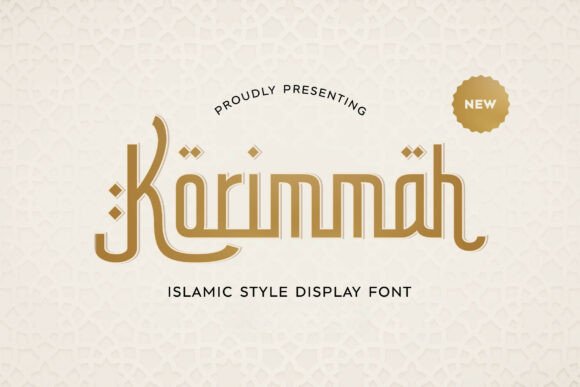
Designers and content creators seeking a font that bridges tradition and modernity often face a challenge: finding a typeface that feels authentic yet versatile. Korimmah rises to this challenge by blending geometric precision with the flowing elegance of Arabic calligraphy. This modern Islamic font is more than a visual choice—it’s a tool for meaningful communication, especially when cultural resonance matters.
Why Korimmah Stands Out
Korimmah distinguishes itself through its bold yet graceful strokes. Unlike many decorative fonts that sacrifice readability for style, Korimmah maintains clarity while offering a distinct Middle Eastern aesthetic. Its design philosophy centers on balance—between tradition and innovation, between form and function. This makes it especially valuable for projects that require both visual impact and cultural relevance.
Applications That Benefit Most from Korimmah
For designers working on Ramadan or Eid campaigns, Korimmah provides a refined alternative to generic Arabic fonts. Its presence in headlines, social media graphics, or event posters can elevate the tone of the message without feeling overly ornate. Similarly, brands in the halal food and Muslim travel sectors can use Korimmah to reinforce cultural identity in packaging, menus, or promotional materials.
Editorial designers also find value in Korimmah. Whether used for magazine covers, feature headers, or infographic titles, it brings a sense of sophistication to layouts. The font’s structured yet expressive nature supports visual storytelling, especially in publications covering Islamic culture, heritage, or lifestyle topics.
Supporting Creativity with Practical Design
One of Korimmah’s strengths lies in how it supports creative workflows. Designers often spend time searching for a font that feels “just right.” Korimmah simplifies that process by offering a ready-made solution for projects needing a Middle Eastern touch. Instead of tweaking generic fonts or struggling with illegible scripts, users can focus on layout and message.
Freelancers and small business owners appreciate this efficiency. For example, a graphic designer creating an invitation for a traditional wedding can use Korimmah confidently, knowing it will look elegant in print and digital formats. Likewise, bloggers focusing on Islamic art or history can enhance their visual identity by using Korimmah in featured images and headers.
How Korimmah Enhances Communication
Typography shapes how audiences perceive a message. Korimmah’s design subtly influences tone—its bold strokes convey confidence, while its flowing curves suggest warmth and hospitality. This combination makes it ideal for communications that aim to be both authoritative and inviting.
Consider a charity campaign during Ramadan. Using Korimmah in promotional materials can help build emotional connection while maintaining professionalism. The font’s visual appeal supports the message without overshadowing it, which is essential when clarity and credibility matter most.
Who Benefits Most from Korimmah?
- Graphic designers working on Islamic-themed projects
- Brand managers in halal and Muslim lifestyle industries
- Publishers producing content with cultural or religious themes
- Event planners creating wedding or community event materials
- Content creators on social media platforms looking for visual authenticity
These professionals benefit not only from Korimmah’s aesthetic qualities but also from its technical performance. The font is designed for legibility across digital and print media, making it a reliable choice for multi-platform branding.
Considering Fit and Limitations
While Korimmah excels in many contexts, it’s not a one-size-fits-all solution. Users should consider the tone and audience of their project before choosing it. For example, in highly formal or academic settings, a more conservative Arabic typeface might be more appropriate. Likewise, projects requiring a completely minimalist or Western aesthetic may find Korimmah too stylistic.
As with any design element, context matters. Test Korimmah in different applications before committing. Try it in headlines, subheadings, and even short blocks of text to see how it performs. Pair it with neutral sans-serif or serif fonts to maintain readability and visual hierarchy.
Recommendations for Using Korimmah
- Use it for display text—Korimmah shines in headlines and titles.
- Pair with complementary fonts—Combine with simpler typefaces for body text and captions.
- Test across formats—Ensure it looks good on mobile, print, and large-format signage.
- Consider cultural context—Be mindful of how the font is perceived in different regions.
By approaching Korimmah as both a design tool and a cultural asset, users can make more informed choices that enhance both aesthetics and communication.
Strengthening Brand Identity with Korimmah
Brands aiming to connect with Muslim audiences often look for ways to reflect cultural values through design. Korimmah offers a subtle but powerful way to do that. Unlike generic fonts, it carries a visual language that resonates with those familiar with Arabic calligraphy. This makes it especially useful for product packaging, logo design, and digital marketing materials where authenticity matters.
For instance, a halal skincare brand can use Korimmah in product labels and social media visuals to create a cohesive and culturally aligned identity. Similarly, travel agencies specializing in Islamic heritage tours can incorporate the font into brochures and itineraries to reinforce their niche appeal.
A Font That Supports Goals
In design, small choices can have a big impact. Choosing the right font isn’t just about looks—it’s about aligning visual elements with purpose. Korimmah helps users achieve that alignment by offering a typeface that’s both meaningful and practical. Whether you're designing an invitation, a brand logo, or a digital campaign, Korimmah adds a touch of elegance that reflects both tradition and modernity.