Oldbitz: A Nostalgic Typeface for Modern Designers
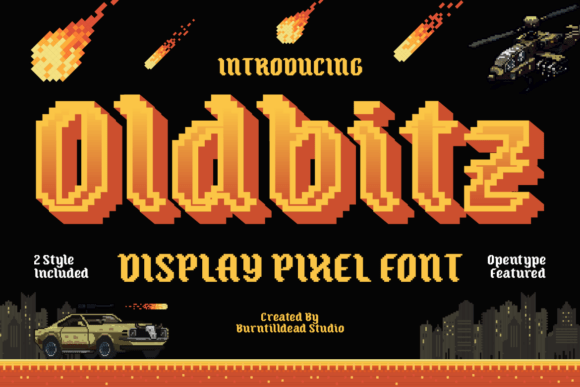
Typography plays a critical role in visual communication, and the choice of font can dramatically influence the tone and perception of a design. In a digital world where sleek, minimalist typefaces dominate, Oldbitz emerges as a refreshing alternative. This bold display font draws inspiration from the golden era of arcade games, combining chunky pixel strokes with subtle vintage gothic undertones. It’s more than just a retro aesthetic—it’s a design tool that bridges the past and present.
The Design Philosophy Behind Oldbitz
At its core, Oldbitz is a celebration of pixel art and 8-bit culture. The font was crafted with the intention of evoking the same excitement and energy that gamers and designers felt during the early days of digital creativity. Each letterform is intentionally blocky, mimicking the limitations of early screen resolutions while maintaining legibility and visual impact.
Oldbitz offers two distinct styles: Regular and Shadow. The Regular variant is clean and structured, ideal for straightforward titles or branding that needs to remain bold yet legible. On the other hand, the Shadow style adds a dimensional effect reminiscent of 3D arcade lettering, giving designs a playful, eye-catching punch.
Why Oldbitz Stands Out Among Retro Fonts
In a market saturated with pixel fonts, what makes Oldbitz unique? The answer lies in its balance of form and function. Unlike many retro fonts that prioritize style over readability, Oldbitz maintains a high level of clarity, even at smaller sizes. Its chunky design ensures it remains impactful without becoming overwhelming.
Moreover, the inclusion of a Shadow variant adds a level of versatility rarely found in similar typefaces. Designers can toggle between a minimalist look and a more expressive, dimensional style depending on the project’s needs. This adaptability makes Oldbitz not just a nostalgic throwback, but a practical choice for modern design workflows.
Use Cases for Oldbitz in Real-World Design
- Game Covers: Whether designing for indie games or retro-inspired titles, Oldbitz adds an authentic arcade feel that resonates with players.
- Posters and Flyers: From concert posters to event promotions, Oldbitz brings a sense of fun and nostalgia that grabs attention.
- Album Art: Musicians aiming for a retro synthwave or chiptune aesthetic can benefit from the font’s bold presence.
- Merchandise Branding: T-shirts, mugs, and stickers often rely on strong typography to stand out—Oldbitz delivers that in spades.
- Digital UI Elements: Buttons, headers, and menu titles in apps or websites can use Oldbitz for a thematic or playful interface.
These examples illustrate how Oldbitz can be integrated into a variety of design contexts without feeling out of place. Its retro charm is versatile enough to fit both digital and print environments, making it a valuable asset for creators across disciplines.
Who Benefits Most from Using Oldbitz?
Oldbitz appeals to a broad spectrum of users, from individual creators to professional design teams. Here’s a breakdown of the key audiences who can make the most of this distinctive font:
- Graphic Designers: Whether working on branding, packaging, or editorial layouts, designers can use Oldbitz to add a vintage twist.
- Game Developers: Especially those working on retro-style or indie games, where pixel art and nostalgic design elements are crucial.
- Marketing Professionals: For campaigns targeting audiences who appreciate vintage aesthetics, Oldbitz can evoke a sense of familiarity and warmth.
- Content Creators: YouTubers, streamers, and social media influencers can use Oldbitz in thumbnails, banners, and overlays to enhance visual branding.
- Educators and Researchers: Those teaching design history or digital culture can use Oldbitz as a practical example of how typography reflects technological evolution.
Technical Considerations When Using Oldbitz
While Oldbitz is designed for visual impact, there are practical considerations to keep in mind when incorporating it into a project:
- Readability: Although Oldbitz is legible at a glance, extended blocks of text may become difficult to read. It’s best used for titles, headers, and short bursts of text rather than long-form content.
- Spacing and Kerning: The pixel-based design may require manual adjustments to spacing, especially when used alongside other fonts in multi-typeface layouts.
- File Formats: Ensure that the version of Oldbitz you're using supports the necessary file types (e.g., TTF, OTF, WOFF) for your intended platform or application.
- Compatibility: While modern design software typically supports pixel fonts, some older or mobile-based tools may not render Oldbitz as expected.
Understanding these nuances allows designers to make informed decisions about when and how to use Oldbitz effectively.
How Oldbitz Fits into Current Design Trends
Retro design is experiencing a resurgence across multiple industries, from fashion to technology. In the design world, this trend manifests through the use of analog textures, vintage color palettes, and—most notably—retro typography. Oldbitz fits seamlessly into this movement, offering a modern interpretation of a classic aesthetic.
Designers are increasingly turning to pixel fonts to create immersive experiences that feel both familiar and fresh. Whether it’s for a throwback video game interface or a synthwave-inspired poster, Oldbitz provides a tactile, almost tactile quality that resonates with audiences across generations.
Pairing Oldbitz with Other Fonts
For projects that require more than just a headline font, pairing Oldbitz with complementary typefaces can enhance overall design harmony. Here are a few effective combinations:
- With a Sans-Serif: Pairing Oldbitz with a clean sans-serif like Helvetica or Futura creates a contrast between retro and modern aesthetics.
- With a Serif Font: For a more dramatic juxtaposition, use Oldbitz as a header with a traditional serif body text to evoke a sense of timeless design.
- With Handwritten or Script Fonts: Mixing pixel fonts with organic, flowing scripts can add visual interest and a layered design feel.
These combinations demonstrate how Oldbitz can be integrated into a broader typographic system while maintaining its distinct personality.
Conclusion: The Timeless Appeal of Oldbitz
In an era where design trends often lean toward the sleek and minimalist, Oldbitz offers a compelling alternative. It’s a font that doesn’t just look good—it tells a story. By blending the charm of early digital design with the flexibility of modern typography, Oldbitz becomes more than a tool—it becomes a statement.
Whether you're crafting a vintage-themed poster, designing a game cover, or simply looking to inject some retro flair into your next project, Oldbitz is a typeface that deserves a place in your design toolkit. It’s not just about bringing back the pixels—it’s about bringing back the fun, the creativity, and the boldness that defined a generation of digital pioneers.