Black Beach: A Bold Canvas for Creative Typography
The Allure of Handwritten Fonts in Modern Design
In a digital world dominated by sleek sans serifs and minimalist typefaces, the resurgence of handwritten fonts signals a longing for warmth, personality, and authenticity. Among these, one standout is a whimsical, handwritten display font that brings a refreshing sense of charm and playfulness to any project. This font, with its lively strokes and endearing imperfections, is a perfect companion for those seeking to inject a touch of sweetness into their designs.
Characteristics That Define Personality
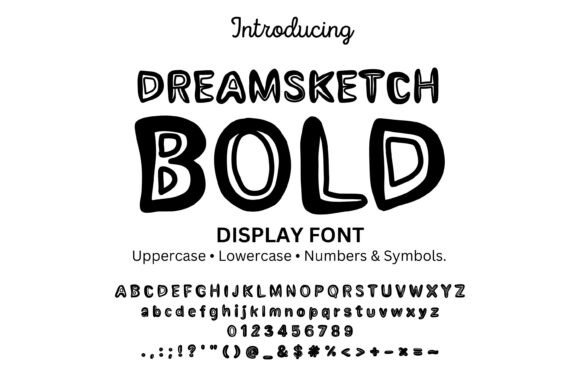
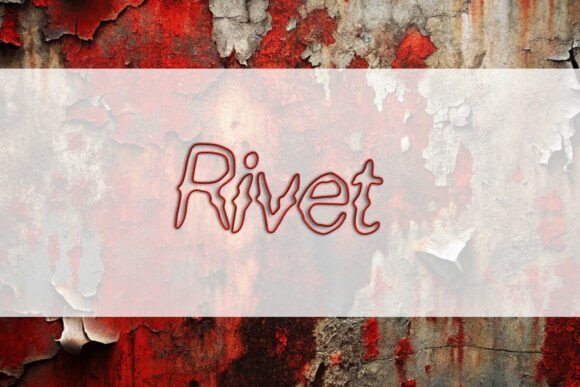
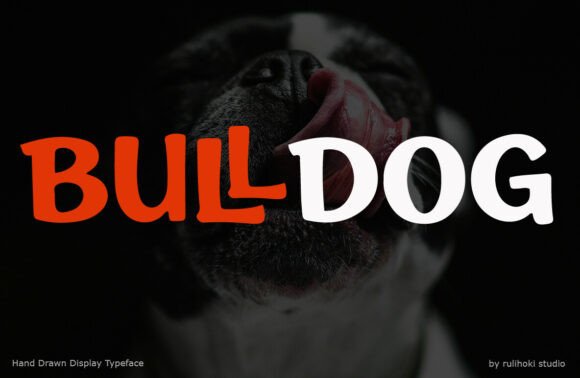
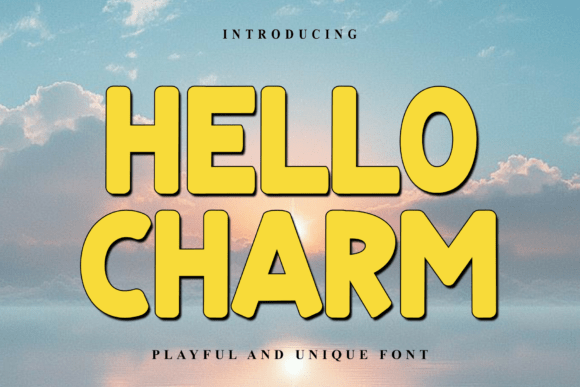
Unlike rigid, machine-generated typefaces, this handwritten font embraces the irregularities that make human writing so expressive. Its letters vary subtly in weight and angle, mimicking the natural flow of ink on paper. The baseline dances gently, and the ascenders and descenders are intentionally exaggerated to enhance readability and visual interest. These features make it feel approachable and genuine, qualities that resonate deeply with audiences across different mediums.
Why Black Beach Sets the Perfect Stage
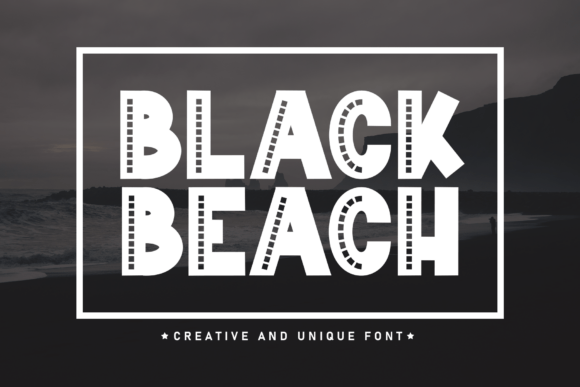
Black Beach, with its dramatic landscapes and unique visual texture, serves as an unexpected yet compelling backdrop for creative typography. The contrast between the dark volcanic sands and the crisp white foam of the waves mirrors the juxtaposition between bold design choices and delicate, expressive type. Just as Black Beach captivates photographers and travelers alike, this handwritten font captures the attention of readers and users in a digital or print format.
Emotional Resonance Through Design
Typography is more than just legibility—it’s about emotion. The soft curves and organic flow of this font evoke a sense of joy and nostalgia. Whether used in a wedding invitation or a product label, it communicates sincerity and warmth. Designers often choose it when they want to convey a message that feels personal, handcrafted, and intimate—qualities that are increasingly valued in an era of mass production and digital uniformity.
Practical Applications Across Industries
This font’s versatility makes it a valuable asset across a wide range of design projects. Below are some of the most effective use cases where it shines:
- Wedding Invitations: Adds a romantic and heartfelt tone to stationery, setting the mood for a celebration of love.
- Children’s Books: Its playful nature aligns perfectly with the whimsy and imagination of stories for young readers.
- Branding for Cafés and Boutiques: Ideal for creating logos and packaging that feel cozy and inviting.
- Social Media Graphics: Enhances the visual appeal of posts and stories with a personal, artisanal flair.
- Handmade Product Labels: Complements the aesthetics of natural, organic, or artisanal goods.
Designing with Purpose: Choosing the Right Context
While this font brings a lot of charm to the table, it’s important to consider its context carefully. Due to its decorative nature, it works best in headlines, titles, or short bursts of text rather than long paragraphs. Pairing it with a clean, sans-serif font for body text ensures a balanced and readable layout. Designers should also consider the overall tone of the project—this font thrives in environments where warmth and creativity are key.
Technical Considerations for Implementation
From a technical standpoint, this font is designed with usability in mind. It includes a full set of uppercase and lowercase letters, numerals, punctuation, and special characters. Most modern design tools, including Adobe Creative Suite, Figma, and Canva, support it seamlessly. Web developers can also integrate it using standard web font services like Google Fonts or Adobe Fonts, ensuring consistent rendering across browsers and devices.
Accessibility and Readability
Despite its playful appearance, accessibility remains a crucial consideration. Designers should avoid using it in small sizes or low-contrast environments where legibility may be compromised. Testing the font in various contexts—such as on mobile screens or printed materials—can help ensure it remains effective across platforms. When used appropriately, it enhances the user experience without sacrificing clarity.
Comparing Whimsical Fonts: What Sets This One Apart
The market is filled with handwritten fonts, each claiming to offer a unique flavor of charm. However, what distinguishes this font is its balance between whimsy and professionalism. It avoids the overly cursive or exaggerated styles that can come across as childish or unpolished. Instead, it strikes a middle ground—playful enough to be engaging, yet refined enough to be taken seriously in a variety of design contexts.
Standing Out in a Crowded Landscape
Many handwritten fonts fall into the trap of being too ornate or difficult to read at scale. This font, however, maintains a level of restraint that makes it more versatile. Its character set is carefully designed to ensure consistency, and its spacing is optimized for both print and digital use. This attention to detail allows it to perform well in a wide range of applications, from branding to editorial design.
Real-World Examples and Design Inspirations
Across the web and in print, designers have embraced this font for its ability to elevate projects with a personal touch. For instance, a local bakery might use it in their logo and packaging to evoke the feeling of a handwritten note from a friend. A boutique hotel near Black Beach could incorporate it into their promotional materials to reflect the natural beauty and charm of the location. In each case, the font contributes to a cohesive and emotionally resonant brand identity.
Case Study: A Wedding Branding Project
Consider a wedding branding package where this font was used for the couple’s names and event details. The designer paired it with a clean serif font for the body text, creating a visual harmony that felt both romantic and modern. The result was a suite of stationery that looked handcrafted yet professional—perfect for setting the tone of a joyful celebration.
Future Trends in Handwritten Typography
As digital design continues to evolve, the demand for human-centric, emotionally engaging typography is on the rise. Handwritten fonts like this one are expected to play a larger role in storytelling, branding, and interactive experiences. With the growth of AI-generated content, the need for authenticity in design becomes even more pronounced. Fonts that carry a sense of personality and craftsmanship will continue to be sought after by designers and brands alike.
Integration with Emerging Technologies
Looking ahead, we may see handwritten fonts being used in voice interfaces, augmented reality experiences, and personalized digital content. As technology becomes more advanced, the desire for human connection in digital spaces will only grow stronger. Fonts that evoke warmth and familiarity will be essential in bridging the gap between digital efficiency and emotional resonance.
Final Thoughts: The Power of a Playful Typeface
In the vast landscape of typography, this whimsically handwritten font offers a unique blend of charm, readability, and versatility. Whether you're designing a wedding invitation, a product label, or a digital graphic, it has the power to transform your message into something memorable. Paired with the striking visuals of Black Beach or any other natural setting, it becomes a tool not just for communication, but for connection.