BullDog Typeface: A Bold Choice for Authentic Typography in Creative Workflows
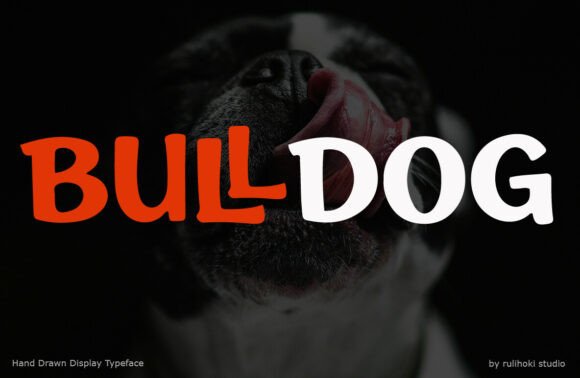
When it comes to visual communication, the choice of typeface plays a critical role in shaping the audience’s perception. BullDog, a character-dense marker font inspired by the charm of chalkboard signs found in cafés and street markets, stands out as a versatile option for creatives seeking authenticity without the nostalgia overload of outdated retro styles. Its organic block letters, ligatures, and alternate characters provide a dynamic visual rhythm that avoids monotony, making it a strong contender for branding, menus, signage, and more.
Understanding the Design Language of BullDog
BullDog’s design is rooted in the expressive imperfections of hand-drawn lettering. Unlike rigid sans-serif fonts that prioritize uniformity, BullDog embraces variation. Each letterform is distinct, with subtle irregularities that mimic the texture of chalk on a slate surface. This characteristic makes it especially effective for projects where a human touch enhances the emotional resonance of the message.
The font’s interconnected block letters give it a cohesive yet playful appearance, while its rich glyph set—including swashes, alternates, and ligatures—offers flexibility in layout design. This variety ensures that repeated use of the same letterforms doesn’t become visually tiresome, a crucial consideration for signage and branding materials that need to maintain visual interest across multiple applications.
Integrating BullDog into Branding and Visual Identity
For entrepreneurs and small business owners, establishing a strong brand identity often begins with typography. BullDog’s bold presence and warm aesthetic make it ideal for businesses that want to project approachability and confidence. Cafés, bakeries, boutique shops, and local markets can especially benefit from using BullDog in logos, signage, and packaging design.
- Use BullDog for logo design where a handcrafted, approachable feel is desired.
- Incorporate it into chalkboard-style menus or promotional signage for a cohesive in-store experience.
- Leverage its alternate characters to create unique typographic treatments for packaging labels or social media visuals.
Because BullDog is PUA-encoded, users can access all glyphs and alternate characters directly in design software without needing special plugins or workarounds. This compatibility streamlines the design process, allowing for greater typographic control without technical friction.
Practical Applications Across Creative Platforms
Whether you’re working in Adobe Illustrator, Photoshop, Canva, or Figma, BullDog integrates smoothly into modern design workflows. Its extensive glyph set makes it easy to customize text without resorting to manual vector editing, saving time during the production phase.
- Open your design software and install the BullDog font.
- Use the Glyphs panel to explore alternate characters and ligatures.
- Select appropriate swashes or alternate forms to enhance visual interest in headlines or titles.
- Pair BullDog with a clean sans-serif font like Montserrat or Lato for body text to maintain readability and contrast.
For digital marketers and content creators, BullDog can be a powerful visual asset in social media graphics, promotional banners, and landing page headers. Its distinctive appearance helps content stand out in crowded feeds, while its warmth fosters a sense of trust and familiarity with the audience.
Using BullDog Throughout the Creative Process
Typography isn’t just about aesthetics—it’s a functional element of communication that influences how messages are received and interpreted. BullDog can be effectively utilized at various stages of the creative process, from ideation to final execution.
Before the Project: Planning and Concept Development
During the initial planning phase, choosing the right typeface can help define the tone and direction of the project. BullDog’s organic, hand-drawn style suggests authenticity and craftsmanship, making it a good match for brands that want to emphasize their local roots, artisanal quality, or community-driven values.
When sketching out mood boards or drafting concept documents, using BullDog in placeholder text can help visualize how the final product will feel. This early integration allows for more cohesive decision-making when it comes to color schemes, imagery, and overall brand language.
During the Project: Design and Implementation
Once the design phase begins, BullDog’s versatility shines. Designers can use its ligatures and alternate characters to create visually engaging headlines and callouts without repeating the same letterforms. This capability is especially useful for projects that require multiple iterations or versions of the same message.
For example, a café launching a seasonal menu can use BullDog to create a series of weekly specials posters. Each poster can feature a different glyph variation, ensuring that the design remains fresh and engaging throughout the campaign.
After the Project: Brand Consistency and Long-Term Use
Consistency is key to building brand recognition. Once BullDog is integrated into a brand’s visual language, it should be used consistently across all touchpoints—from print materials to digital assets. Creating a typography guide that outlines proper usage, spacing, and preferred glyph combinations can help maintain this consistency over time.
It’s also important to consider scalability. While BullDog works well in large headlines and signage, it may not be suitable for long blocks of text. Use it strategically to highlight key information, and pair it with more legible fonts for extended reading.
Workflow Efficiency and Technical Considerations
One of the most practical advantages of BullDog is its PUA encoding, which enables seamless access to all its glyphs and stylistic alternates. This feature eliminates the need for complex font-switching or manual vector editing, making it easier to maintain efficiency in fast-paced design environments.
Designers who frequently work on client projects or need to produce multiple variations of the same layout will appreciate the ability to quickly swap out characters for visual variety. This functionality not only enhances creativity but also improves productivity by reducing the time spent on manual adjustments.
Additionally, BullDog’s compatibility with major design platforms ensures that it can be used across teams without compatibility issues. Whether working solo or collaborating with others, the font’s straightforward integration helps maintain a smooth and consistent workflow.
Final Thoughts: Making BullDog Part of Your Creative Toolkit
Incorporating BullDog into your design workflow isn’t just about aesthetics—it’s about enhancing the emotional impact of your work while maintaining technical efficiency. Whether you're designing a new brand identity, creating promotional materials, or developing engaging digital content, BullDog offers a distinctive visual voice that stands out without overwhelming the message.
By understanding how to integrate this typeface thoughtfully into your projects, you can elevate your designs with a sense of warmth, authenticity, and personality. Its versatility, combined with its rich glyph set and intuitive usability, makes BullDog a valuable asset for any creative professional looking to make a meaningful visual impact.